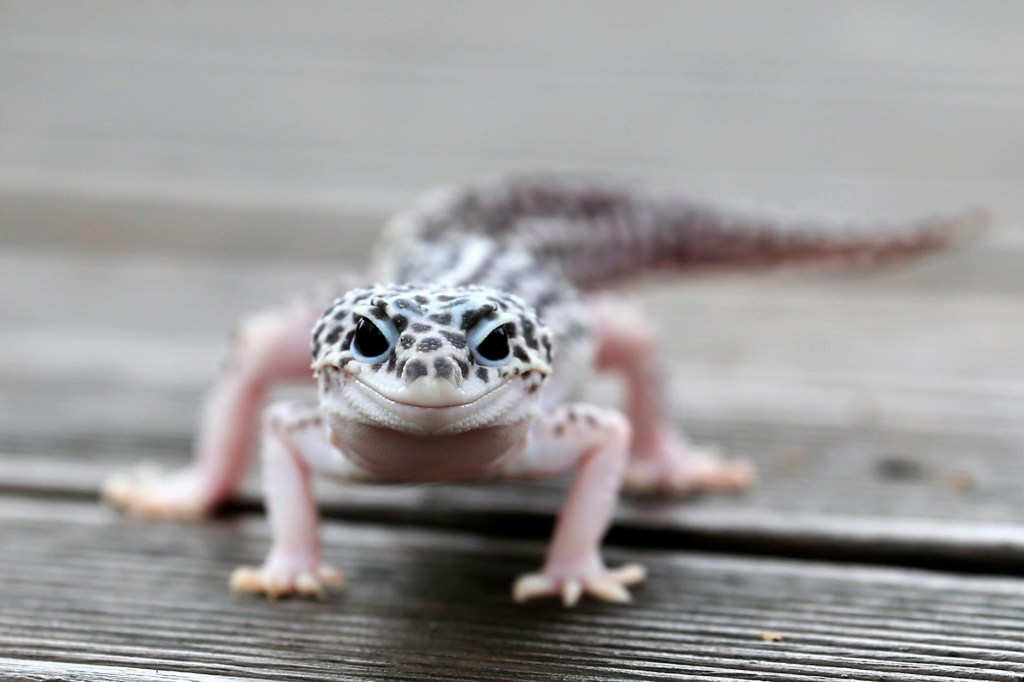
Wall geckos, also known as house geckos, are commonly found in many households, especially in tropical and subtropical regions. While these small reptiles are often considered harmless and even beneficial for controlling insect populations, they can pose certain risks to human health when their presence goes unchecked. In this blog post, we will explore the dangers of wall geckos in the home and their potential impact on human health.
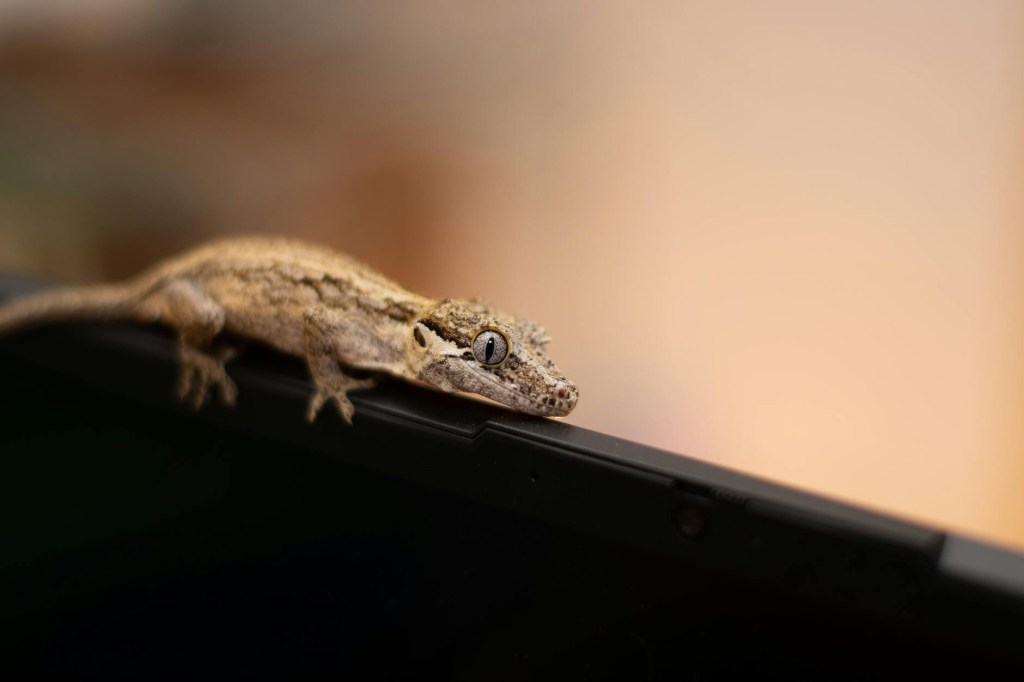
1. Salmonella Contamination: Wall geckos are known to carry and transmit bacteria, including Salmonella, through their droppings and saliva. If these bacteria come into contact with food preparation surfaces or utensils, they can cause foodborne illnesses in humans. Salmonella infection can lead to symptoms such as diarrhea, fever, abdominal cramps, and dehydration, particularly in young children, the elderly, and individuals with weakened immune systems.
2. Allergies and Respiratory Issues: Gecko droppings and shed skin particles can trigger allergic reactions in sensitive individuals, leading to symptoms such as sneezing, coughing, wheezing, and skin rashes. For individuals with asthma or other respiratory conditions, exposure to gecko allergens can exacerbate symptoms and compromise respiratory health.
3. Parasitic Infections: Geckos may harbor parasites such as mites, ticks, and worms, which can be transmitted to humans through direct contact or exposure to their droppings. Parasitic infections can cause skin irritation, itching, and in severe cases, systemic health issues that require medical treatment.
4. Risk of Injury: In some cases, geckos may inadvertently enter living spaces and surprise or startle occupants, leading to accidents or injuries. For instance, slipping on gecko droppings or attempting to capture a gecko in hard-to-reach areas can result in falls, cuts, or other injuries that pose a risk to human health.
5. Psychological Impact: The presence of geckos in the home can cause anxiety, fear, or distress for individuals who are uncomfortable with or phobic of reptiles. Specifically in Africa, most individuals attribute the presence of geckos to spiritual and supernatural reasons that instil unnecessary fear in their superstitious beliefs. Persistent feelings of unease or stress related to gecko sightings can affect mental well-being and overall quality of life for some individuals. In addition, the presence of geckos can induce insomnia in individuals in gecko-present homes.
While wall geckos are generally harmless and play a role in controlling insect populations, their presence in the home can pose risks to human health that should not be overlooked. It is essential to:
- Maintain good hygienic practices
- Seal entry points of geckos
- Implement pest control measures such as fumigation, pesticide and insecticide uses, etc. to minimize the numbers and potential dangers associated with wall geckos.
By raising awareness of these risks and taking proactive steps to address them, homeowners can create a safer and healthier living environment for themselves and their families. Let us remain vigilant and informed about the hidden threats of wall geckos to safeguard human health and well-being in our homes.
 TNS Diary
Leave a comment